Etymology of vampire
The Oxford English Dictionary dates the first appearance of the word vampire in English from 1734, in a travelogue titled Travels of Three English Gentlemen published in the Harleian Miscellany
8 min read
It is difficult to make a unified description of the folkloric vampire, because its properties vary widely between different cultures and times. Legendary vampires– those dating before 1730– often overlap characteristics with literary vampires and at other times completely contradict them. Moreover, western scholars trying to label similar phenomena across cultures have commonly confused the Slavic vampires with undead in far-off cultures– for example, China, Indonesia, the Philippines.
Some cultures have stories of non-human vampires, such as animals like bats, dogs, and spiders. Vampires are also the frequent subject of cinema and fiction, albeit those fictional vampires have acquired a set of traits distinct from those of folkloric vampires.
The modern scholar must set aside all his or her previous concepts of the vampire, especially those gathered from books or film, and begin afresh with the simplest, most universal definition of a vampire.
A commonly accepted definition of the European (or Slavic) vampire is a dead body which continues to live in the grave, which it leaves, however, by night, for the purpose of sucking blood of the living, whereby it is nourished and preserved in good condition, instead of becoming decomposed like other dead bodies.
Webster’s International Dictionary defines a vampire as “a blood-sucking ghost or reanimated body of a dead person; a soul or re-animated body of a dead person believed to come from the grave and wander about by night sucking the blood of persons asleep, causing their death.”
The Oxford English Dictionary dates the first appearance of the word vampire in English from 1734, in a travelogue titled Travels of Three English Gentlemen published in the Harleian Miscellany
8 min read
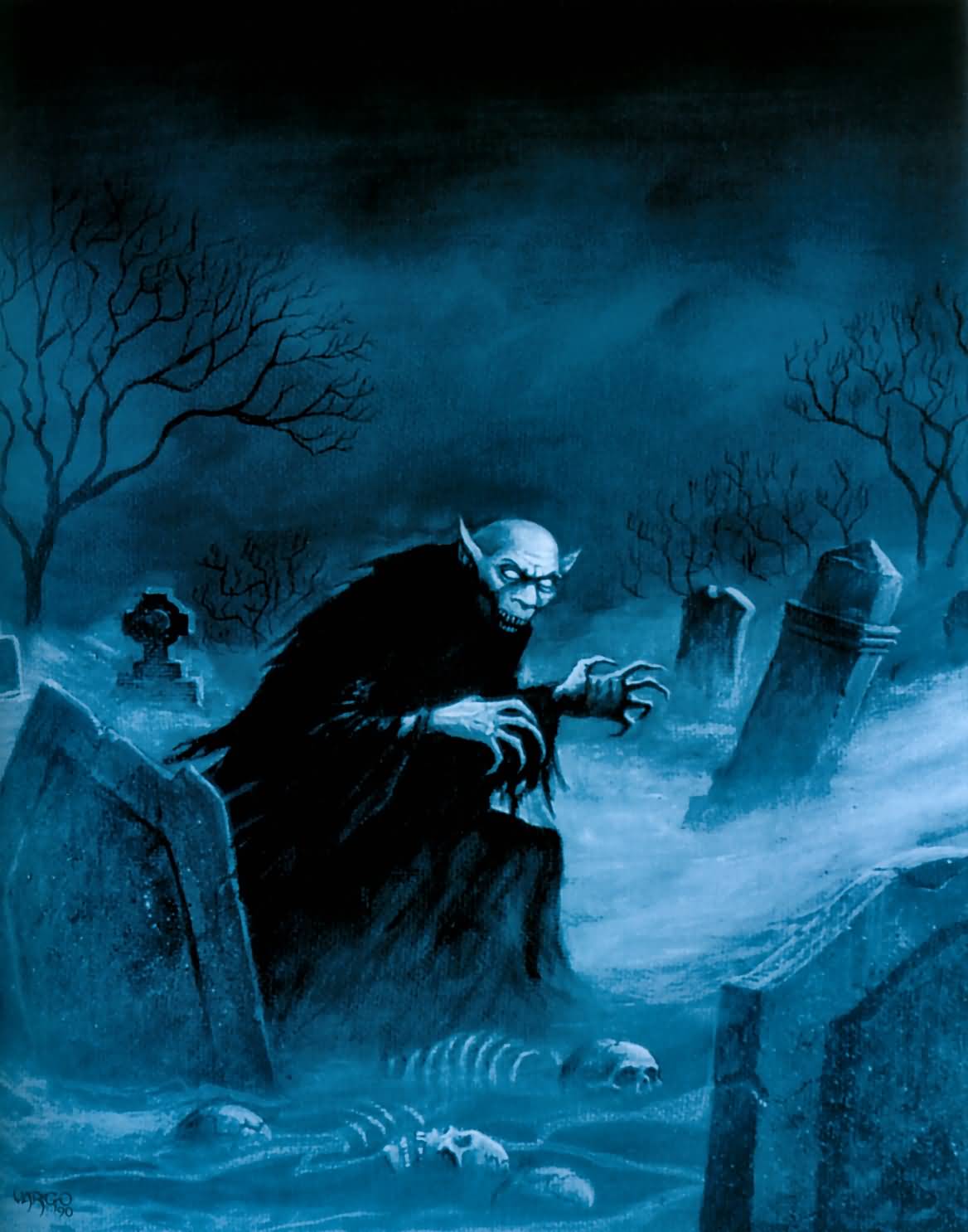
In the Chapter 18 of Dracula from Bram Stoker, we found an interesting description from Professor Van Helsing “The nosferatu do not die like the bee when he sting once.
8 min read
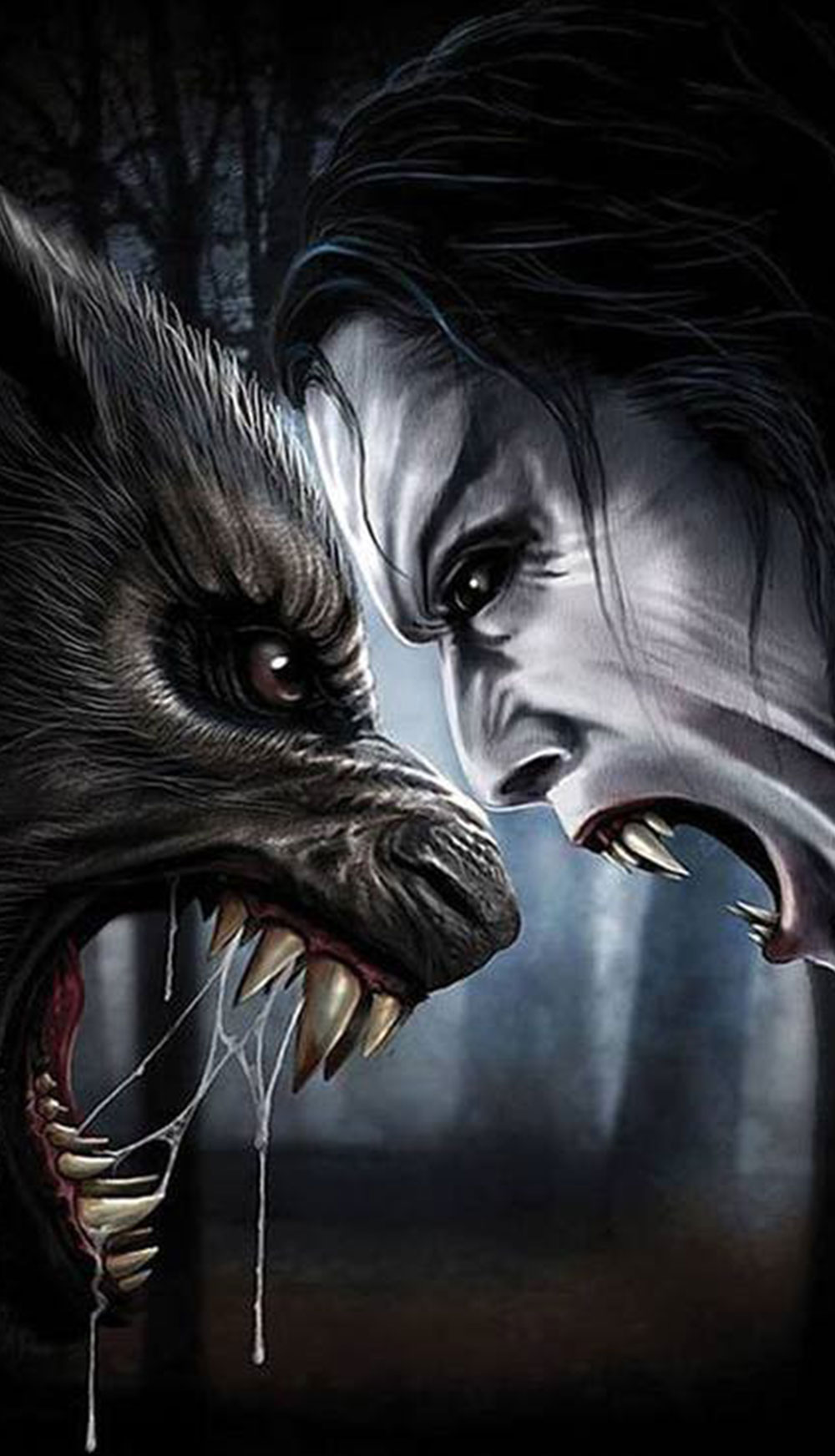
Mythology There was a strong link between the werewolf and the vampire in Balkan folklore. Unlike the vampire, the werewolf was not generally believed to be immortal. It was commonly
8 min read
With centuries of experience behind them, they are the most cunning, intelligent, and elusive of all adversaries – testing the most skillful and practiced of monster and vampire hunters alike.
8 min read