Aix-en-Provence
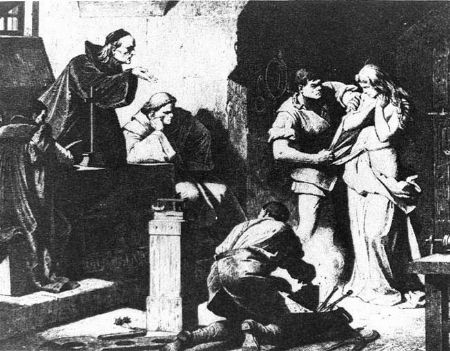
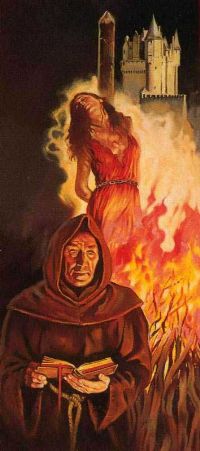
In 1611 at Aix-en-Provence (South of France), Father Gaufridi was burnt alive. As in the Loudun possessions, sexual themes played a large role in the possession testimony. The first 20–25
8 min read
The witch trials originated in south-eastern France during the 14th century, before spreading through central Europe and then into other parts of the continent and also amongst European colonies in North America. Whilst the earliest trial was in 1324, the peak of the witch hunt was between 1580 and 1630 and the last known trial occurred in 1782.
Amongst the most well known of these trials was the Scottish North Berwick witch trials, Swedish Torsåker witch trials and the American Salem witch trials. Among the largest and most notable was the Trier witch trials (1581–1593), the Fulda witch trials (1603–1606), the Würzburg witch trial (1626–1631) and the Bamberg witch trials (1626–1631).
In 1611 at Aix-en-Provence (South of France), Father Gaufridi was burnt alive. As in the Loudun possessions, sexual themes played a large role in the possession testimony. The first 20–25
8 min read
The evidence required to convict an alleged witch varied from country to country. There are particularly important differences between the English and continental witch-hunting traditions. The checks and balances inherent
8 min read