Introduction By Gillian Woodburn Mary Shelley’s Frankenstein is regarded as one of the earliest- if not the earliest- work of science fiction. It is a tale of ambition, love, loss,
By Sibylle Erle &Helen Hendry Abstract There is a continued fascination with all things monster. This is partly due to the popular reception of Mary Shelley’s Monster, termed a ‘new
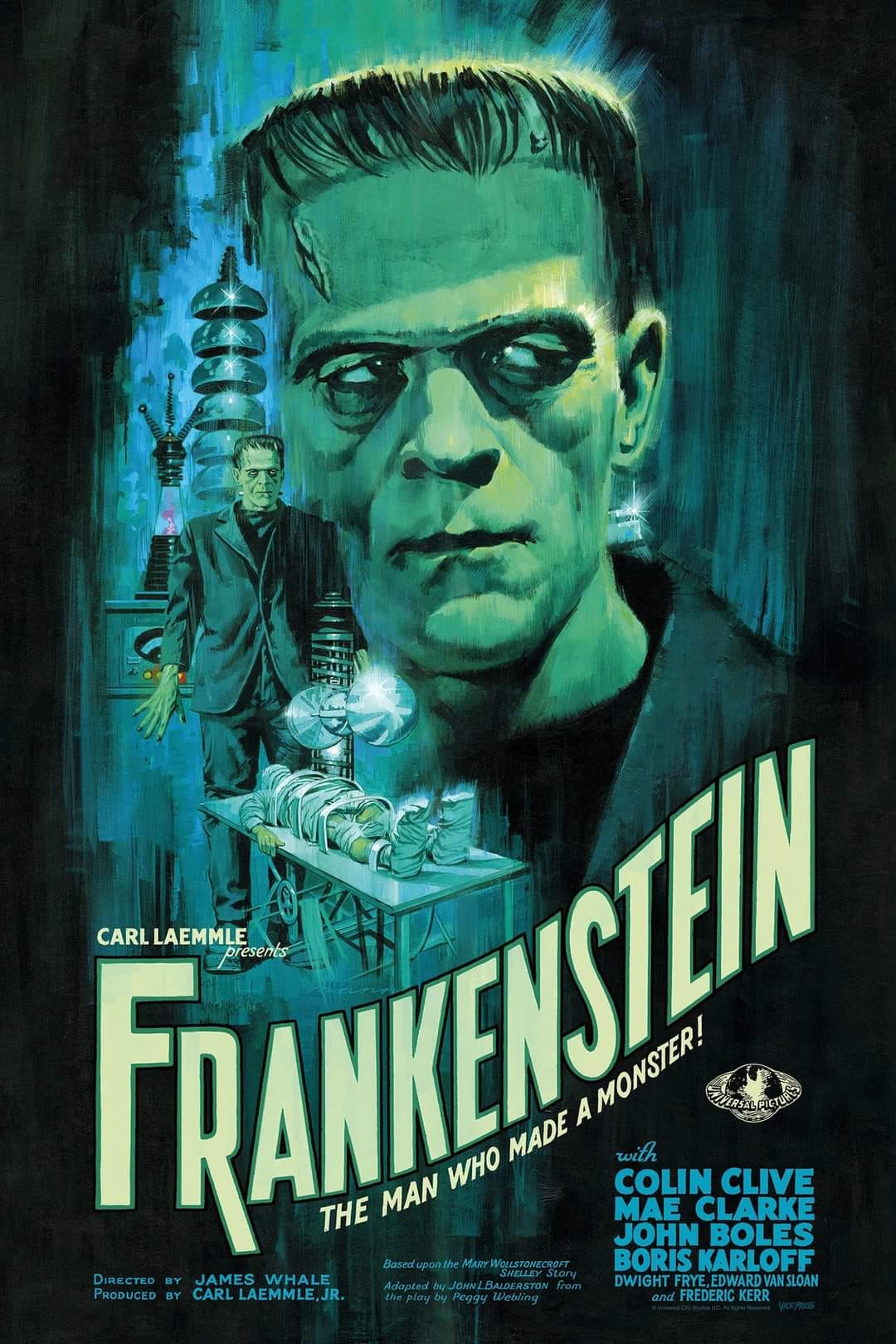
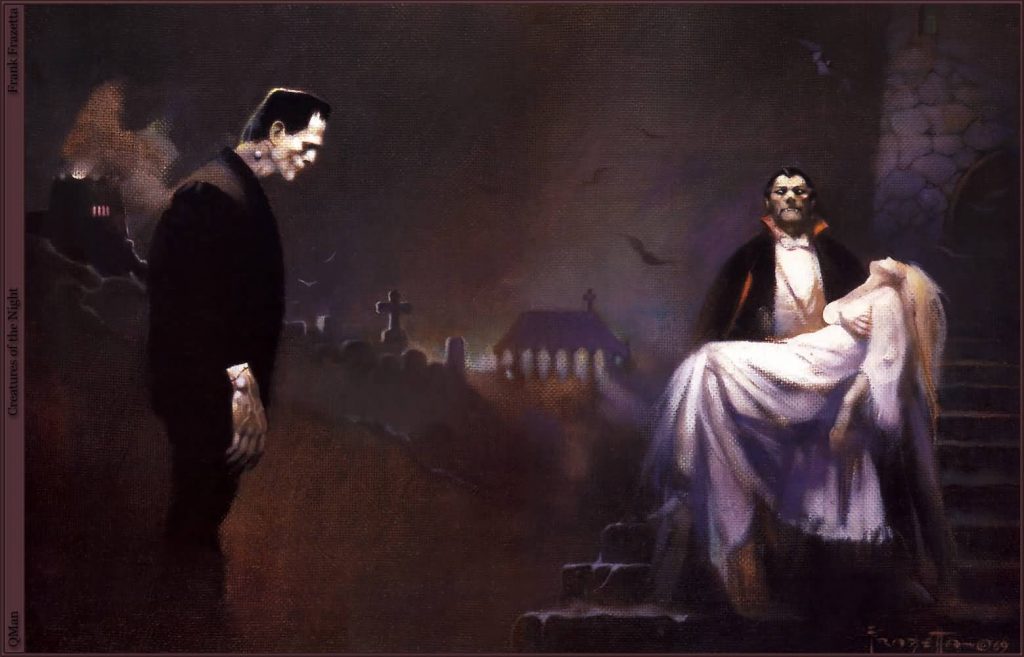
Frankenstein has enjoyed an afterlife in numerous stage productions and movie adaptations that have reshaped the monster of the original story. Indeed the monster has taken the name of his
The Last Man and the Order of Society: How Mary Shelley’s Use of the Plague Serves as a Metaphor for the Failure of the Utopian Ideal The Last Man was
By Percy Bysshe Shelley [This review was unpublished until some months after the third edition of Frankenstein appeared in 1831, when P.B. Shelley’s cousin Thomas Medwin saw to its printing
The myth of the Frankenstein monster returns to its literary roots in this tale of a scientist’s monstrous attempt to play God. This story is the archetype for many subsequent
The theme of monstrosity pervades the entire novel, as the monster lies at the center of the action. Eight feet tall and hideously ugly, the monster is rejected by society.
They may come up with a disease that can’t be cured, even a monster. Is this the answer to Dr. Frankenstein’s dream? So were the words of the mayor of