Elven Nation Manifesto
On 6 February 1995, a document titled the “Elven Nation Manifesto” was posted to Usenet, including the groups alt.pagan and alt.magick. Enough people contacted the original author of the Elven
8 min read
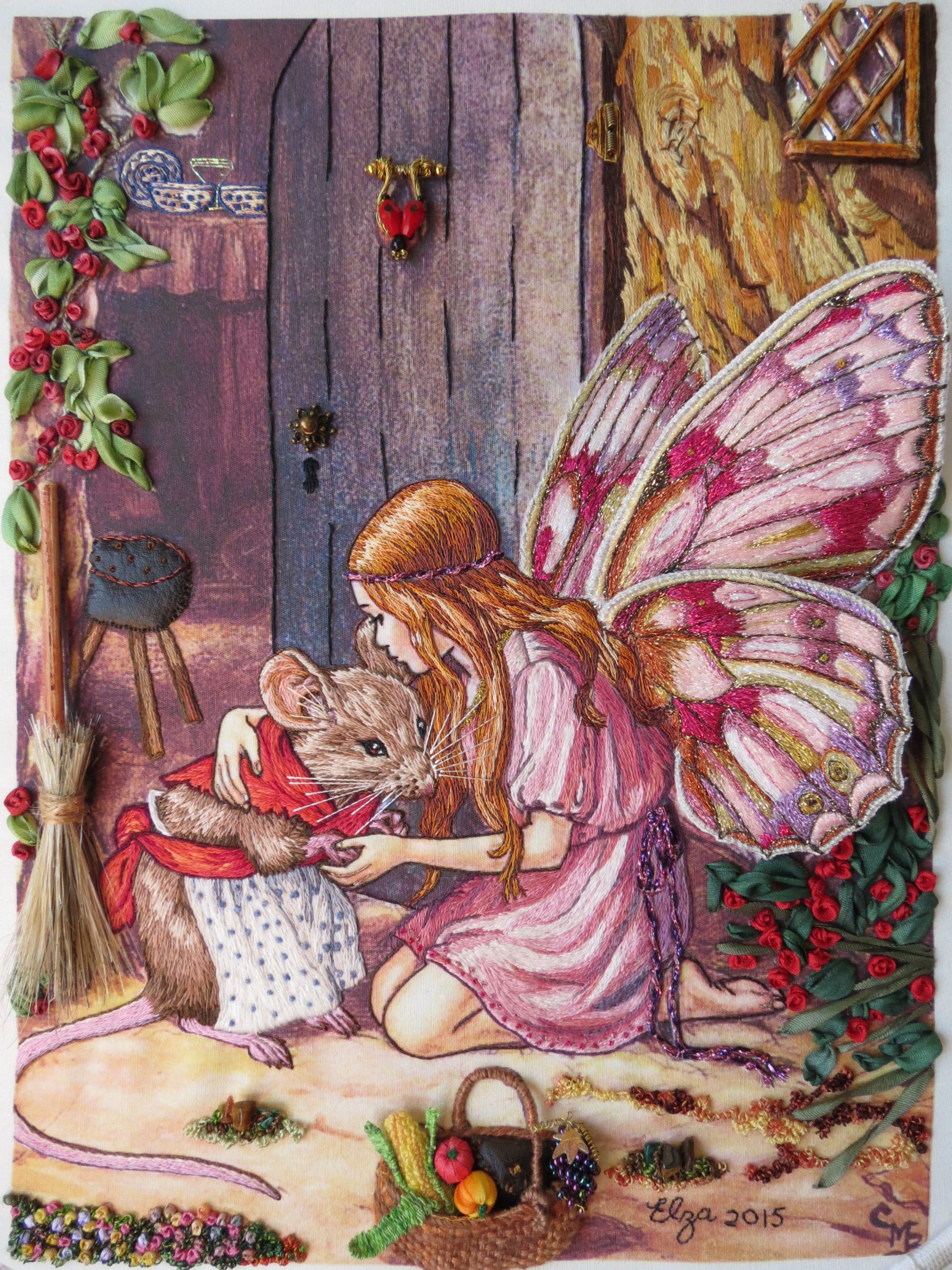
Today, when picturing a faery (or, more commonly, fairy), most people imagine diminutive little creatures with tiny little wings, flitting about from flower to flower. However, accounts of medieval fairies show them to have been neither small nor particularly kindly, while traditional understanding in Ireland before the Middle Ages was that the Faery were mythical characters, often referred to the Tuatha De Danann.
Perhaps the earliest form of faeries can be found loosely in the mythical beings in Greek mythology, such as the nymphs, satyrs and sileni. The nymphs from ancient Greek myths can be considered as fairies and they existed as early as the time of Homer writing the Iliad and the Odyssey. Even the river gods in Greek myths can be classified as fairies. These are spirits or minor deities of nature or of the natural phenomena.
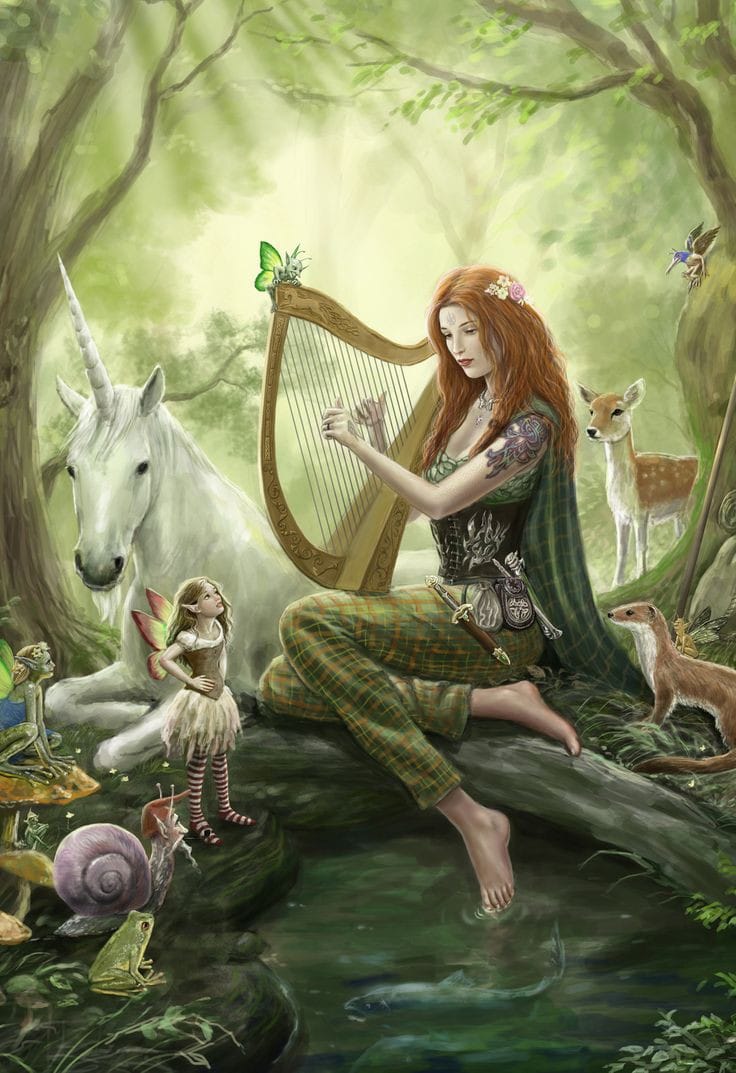
The Norse versions of the fairies are the wide variety of elves and the dísir that exist in the Teutonic traditions. The Faery underwent many alterations, from the powerful and respect-inspiring Tuatha De Danann down to the classic Folk Tale Fairy and picturesque Flower Fairy. The Fairy Lineage is an attempt to describe the various realities that have been associated with the word faery.
On 6 February 1995, a document titled the “Elven Nation Manifesto” was posted to Usenet, including the groups alt.pagan and alt.magick. Enough people contacted the original author of the Elven
8 min read
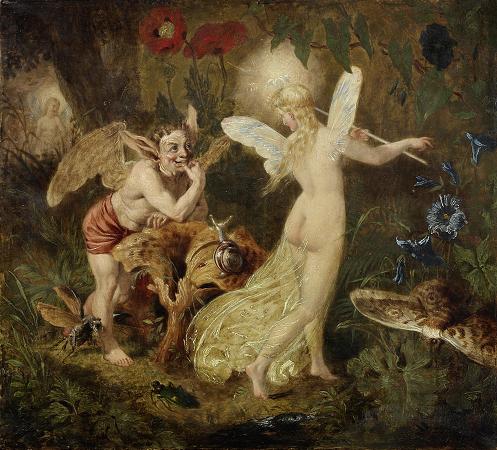
Between 1840 and 1870, historians have dubbed this period of time the “Golden Age of Fairies.” It is where former leading British Victorian Art Historian, Christopher Wood, begins his reference
8 min read
Belief in fairies was still widespread in the early twentieth century, according to the testimony of W. Y. Evans-Wentz in The Fairy Faith in the Celtic Countries (London, 1911). An
8 min read
of the Whereabouts of Gnomes and Elves, Fauns and Faeries, Goblins, Ogres, Trolls and Bogies, Nymphs, Sprites and Dryads, Past and Present BUCK YOUNG aka Mat Jacobsen wrote this article
8 min read
Patrick Logan writes of the opinions on fairies in our own century: Whatever took place, or was imagined, round about the year 1790, descriptions of it recorded as far apart
8 min read
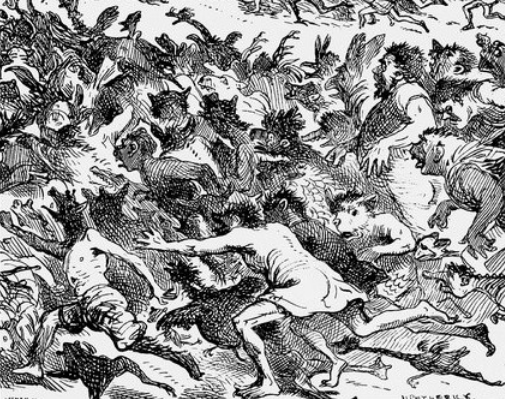
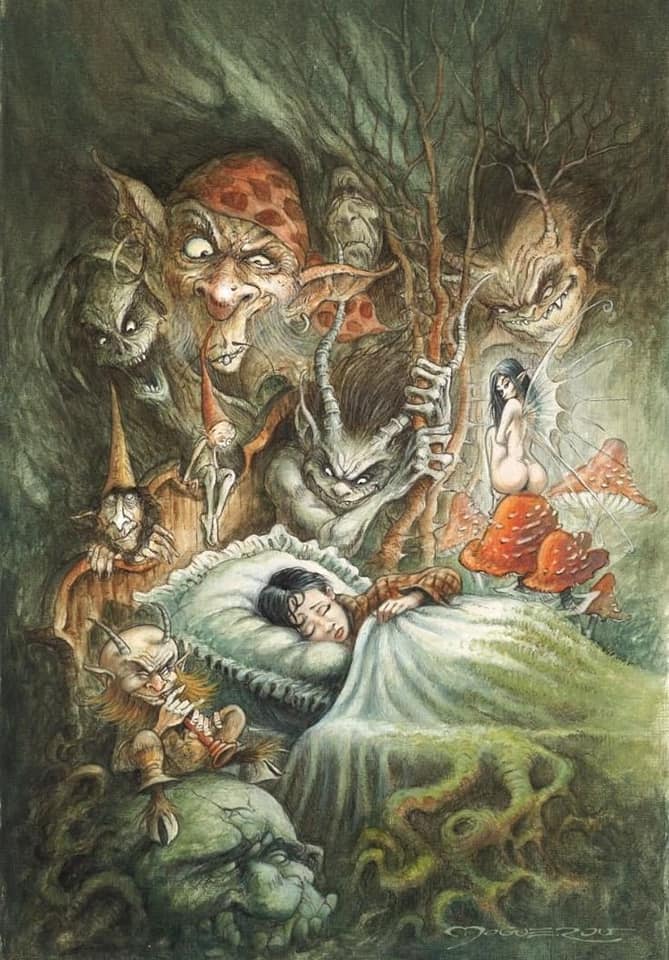
In the time of the Medieval Fairy, the size and appearance of the fairy became quite variable. They could be tiny and beautiful or huge and monstrous. Most commonly, however,
8 min read
The Tuatha De Danann are the first people of Ireland. They were beings close to humanity, but not a part of it, with the ability to change their shape at
8 min read
From the XVIII century onward, the fairies have been said to have departured or to be in decline. People do not see them any more and some argue that the
8 min read